Procell MicroChanneling
Discover the revolutionary treatment that transforms your skin from within! Procell Therapies Microchanneling is a cutting edge, noninvasive treatment designed to activate your skin’s natural ability to repair and rejuvenate. By creating micro injuries in the outermost layers of the skin, this stimulates collagen and elastin production- revealing smoother, firmer, and more radiant skin with minimal downtime.
Whether you’re looking to reduce fine lines, improve texture, fade scars, or achieve a youthful glow, microchanneling delivers powerful results without penetrating living tissues.
Ready to experience the future of regenerative aesthetics? Scroll down to explore our treatments and find the perfect option for your skin goals!
Treatments
Menu
MicroChanneling, also known as collagen induction therapy, is a minimally invasive skin rejuvenation procedure that helps minimize the signs of aging, improve the appearance of acne scars and rejuvenates imperfections on the skin.
As we age our Cell Renewal Factor (CRF) or cell turnover rate slows down. That means that as we age, the top layer of the skin, the one we see, touch, and even agonize over, becomes dull. We lose our “glow”.
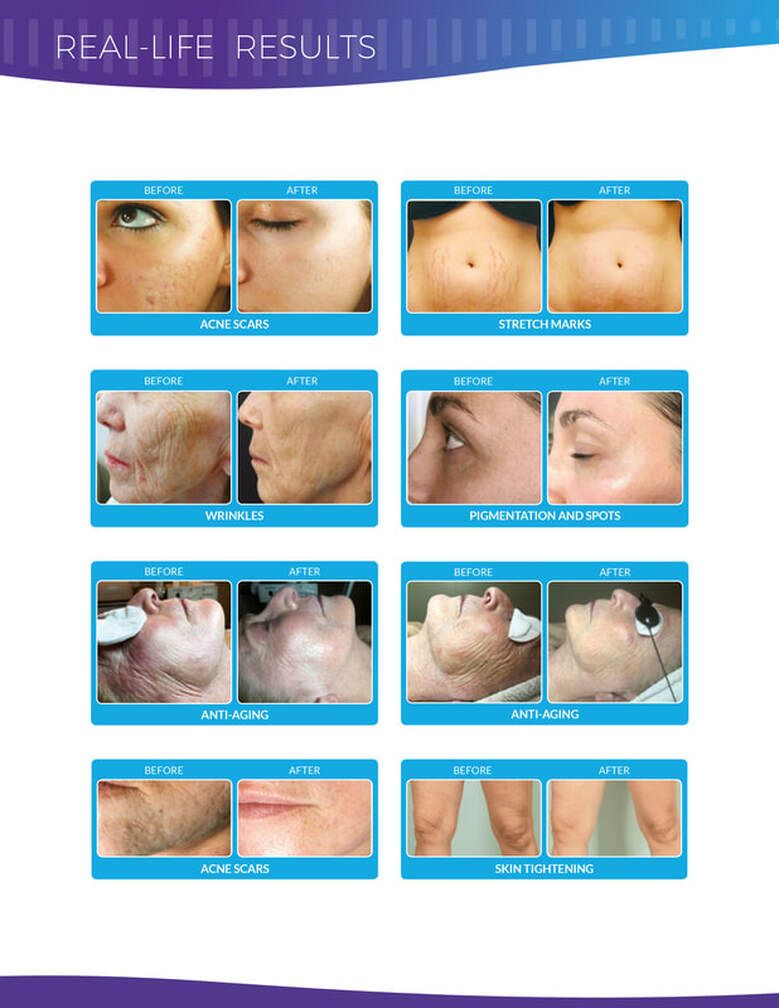
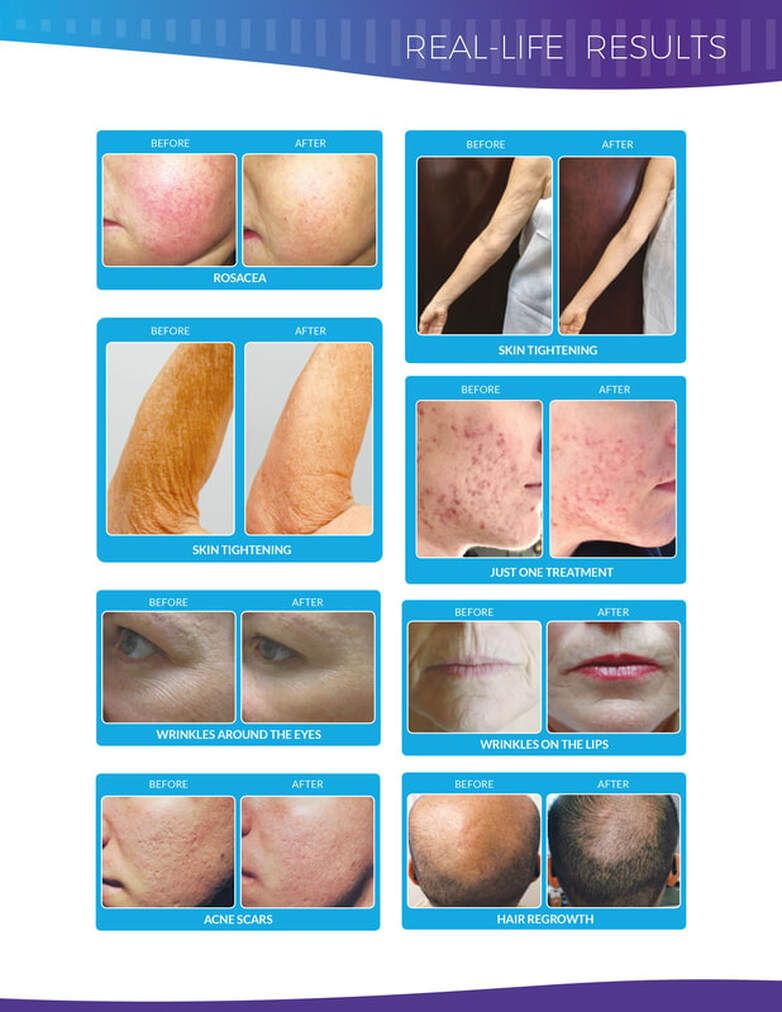
ProCell Therapies MicroChanneling leverages the skin's own defense mechanism response to their use and has been shown to stimulate the production of fresh collagen. Virtually erasing fine lines, wrinkles, acne scars and dark spots!
ProCell Serums contain growth factors derived from bone marrow stem cell cultures. Unlike other human sources such as adipose tissue, PRP, and fibroblasts, stem cells from bone marrow cultures demonstrate potent anti-inflammatory effects. These anti-inflammatory properties not only reduce healing time, but also decrease hyperpigmentation and scar tissue deposition.
Growth factors are natural proteins found in a variety of sources. Other skin care products use growth factors derived from plant stem cells, human adipose tissue, PRP (platelet rich plasma), and even snails! Only human stem cells can help detect damaged and photoaged skin and stimulate the skin’s own abilities to repair itself.
Frequently Asked Questions
Why Does Skin Age?
You age, visibly and invisibly, every day. Sun damage, internal inflammation, chemicals, and even gravity all work against the youthful vitality of your skin. As we get older, fewer regenerative stem cells survive to repair this constant damage.
How Does Microchanneling Stimulate Cellular Activity?
A single Procell treatment creates hundreds of thousands of microchannels. In response to each micro-injury, an inflammatory healing process begins which initiates the formation of new collagen. Over time, the repeated healing process improves the surface texture and the overall appearance of the skin.
How Do Stem Cells Assist Healing?
Human growth-factor serums derived from bone marrow mesenchymal stem cells are known to promote scarless healing with minimal inflammation. Application of serums immediately after microchanneling treatment enhances delivery and collagen growth.
What skin conditions will this help with?
Just about everything! Microchanneling treatments can improve the appearance of fine lines and wrinkles, hyperpigmentation, acne scarring, stretch marks, and rosacea.
Does Microchanneling hurt?
It may sounds intimidating, but in reality the treatment causes very minimal discomfort. Numbing cream is not necessary with micro channeling unlike micro needling. If you decide it is unbearable for you, we can provide you with a numbing agent at an additional cost. There is no lingering discomfort, and we have a number of strategies we employ to minimize discomfort during treatment. Post procedure, most people report a “tight” feeling in their skin.
What is the difference between microCHANNELING vs microNEEDLING?
Microchanneling and microneedling both stimulate collagen by creating micro injuries in the skin. Microchanneling offers a more precise, less invasive approach, unlike microneedling, which uses a dragging motion that can cause irritation and uneven depth of the needle. Microchanneling utilizes a stamping technique for consistent results with minimal trauma and downtime. It’s also paired with serums like growth factors or peptides, enhancing product absorption, and overall results. Microchanneling is ideal for most clients, especially those seeking effective results with faster recovery, and less irritation.
How long does it take to see results?
Though neocollagenesis (the production of new collagen) can take several weeks, it is quite common to notice an improvement in the quality and appearance of your skin within the first 24 hours! For optimal results, most people start with a series of 3-6 treatments, depending on their skin goals and concerns, followed by maintenance sessions every 3-6 months to keep the skin looking its best!
Advanced treatments like this vary client to client. This is why a consultation is required to create a customized plan specifically for you!
How often is it recommended to get this treatment done?
Microchanneling can be preformed every 4-6 weeks! This timing allows your skin to fully heal and maximize collagen production between session. It is not recommended to receive sooner than 4 weeks because our skin takes about 28 days to fully regenerate.
Who can and can’t do this treatment?
Since Procell Microchanneling treatments are minimally invasive they are also safe for ALL skin types whether you’re fair-skinned or dark, and even if you experience chronic breakouts properly conducted microchanneling treatments will NOT result in hyperpigmentation, keloid scars and other lasting negative side effects.
Now, it is NOT recommended to do microchanneling if you have any underlying conditions that significantly impairs your immune system. Examples include but are not limited to active radiation or chemotherapy, uncontrolled diabetes, chronic inflammatory skin disease, Accutane in the past two years, hemophilia or similar bleeding disorder. Also anyone with stainless steel allergies should not do this treatment. We also discourage treatments for those who are pregnant and nursing.






